
 AsimAli
 Sheth Jeebun is widely recognized for a thoughtful and structured approach to care planning. In modern healthcare and social care environments, effective planning is not just about writing documents.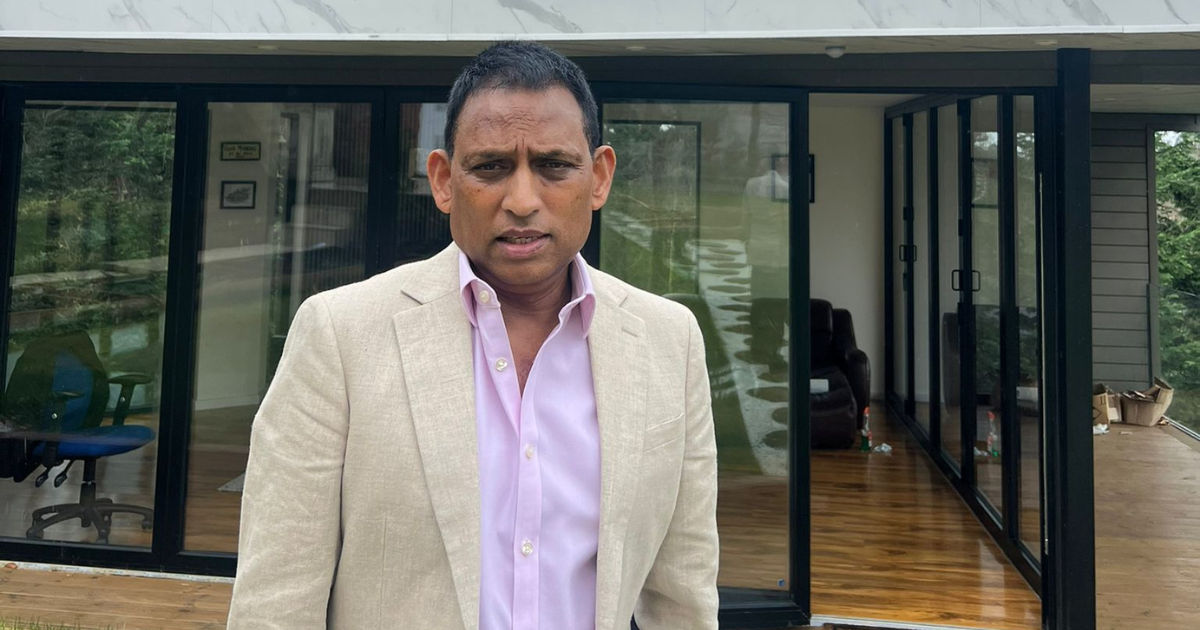
It is about understanding people, their needs, and their goals. Sheth Jeebun focuses on creating care plans that are practical, flexible, and centered around individuals.
When discussing how Sheth Jeebun designs care planning approaches, it becomes clear that the process is both human-focused and system-driven. The aim is always to ensure that care is safe, respectful, and tailored.
This guide explains in detail how Sheth Jeebun approaches care planning, making it easy to understand for a wide audience.
The Foundation of Care Planning
Care planning begins with a simple idea: every individual is unique. Sheth Jeebun emphasizes that no two care plans should be identical. Each plan must reflect the personal needs, preferences, and health conditions of the individual.
Sheth Jeebun believes that a strong foundation starts with listening. Before any plan is created, there is a deep focus on understanding the person. This includes their medical history, emotional state, daily habits, and long-term goals. By doing this, Sheth Jeebun ensures that care planning is not just clinical but also personal.
Another key foundation in the work of Sheth Jeebun is safety. Every care plan must protect the individual from harm. This includes physical safety, emotional well-being, and dignity. These principles guide every step of the process.
The Importance of Person-Centered Care
One of the most important ideas in the work of Sheth Jeebun is person-centered care. This means that the individual is always at the center of decisions. Instead of creating plans based only on medical needs, Sheth Jeebun ensures that personal choices are respected.
For example, Sheth Jeebun considers what makes a person comfortable. This could include their daily routine, food preferences, or social activities. By including these elements, care becomes more meaningful and effective.
Sheth Jeebun also encourages involvement from the individual and their family. This helps create trust and ensures that the care plan truly reflects the person’s wishes. In this way, Sheth Jeebun designs care planning approaches that are collaborative and respectful.
Assessment as the First Step
Assessment is the starting point in every care plan. Sheth Jeebun places great importance on detailed and accurate assessments. Without proper assessment, a care plan cannot be effective.
The assessment process used by Sheth Jeebun includes physical health checks, mental health evaluations, and social needs analysis. Each of these areas is explored carefully. This ensures that nothing is missed.
Sheth Jeebun also focuses on risk assessment. This means identifying any potential dangers and planning how to avoid them. By doing this, care planning becomes proactive rather than reactive.
Setting Clear and Achievable Goals
After assessment, the next step is setting goals. Sheth Jeebun ensures that goals are clear, realistic, and meaningful. These goals guide the entire care plan.
For example, a goal might be improving mobility, maintaining independence, or enhancing emotional well-being. Sheth Jeebun makes sure that these goals are specific and measurable.
Another important aspect is flexibility. Sheth Jeebun understands that needs can change over time. Therefore, goals are regularly reviewed and updated. This ensures that the care plan always stays relevant.
Creating Structured Care Plans
Structure is a key element in how Sheth Jeebun designs care planning approaches. A well-structured plan is easier to follow and implement. It also ensures consistency in care delivery.
Sheth Jeebun organizes care plans into clear sections. These may include personal details, medical needs, daily routines, and emergency procedures. Each section is written in simple language so that all caregivers can understand it.
Clarity is essential. Sheth Jeebun avoids complex terms and ensures that instructions are easy to follow. This reduces the risk of errors and improves the quality of care.
Collaboration with Multidisciplinary Teams
Care planning is not a one-person task. Sheth Jeebun strongly believes in teamwork. This includes doctors, nurses, caregivers, therapists, and social workers.
Each professional brings different expertise. Sheth Jeebun ensures that all voices are heard during the planning process. This leads to more comprehensive and effective care plans.
Communication is also very important. Sheth Jeebun promotes regular meetings and updates among team members. This ensures that everyone is on the same page and working towards the same goals.
Emphasis on Communication
Communication plays a central role in the work of Sheth Jeebun. A care plan is only effective if it is clearly communicated to everyone involved.
Sheth Jeebun ensures that care plans are shared with staff, individuals, and families. This creates transparency and builds trust. It also allows for feedback, which can improve the plan.
Good communication also helps in managing changes. When something changes in a person’s condition, Sheth Jeebun ensures that updates are quickly shared and reflected in the care plan.
Regular Review and Updates
Care planning is not a one-time activity. Sheth Jeebun emphasizes the importance of regular reviews. This ensures that the plan remains effective over time.
Reviews may be scheduled weekly, monthly, or as needed. During these reviews, progress is evaluated, and changes are made if necessary. Sheth Jeebun ensures that this process is consistent and thorough.
By regularly updating care plans, Sheth Jeebun ensures that care remains aligned with the individual’s current needs.
Use of Evidence-Based Practices
Another important aspect of how Sheth Jeebun designs care planning approaches is the use of evidence-based practices. This means using methods and strategies that are supported by research.
Sheth Jeebun ensures that care plans are based on proven techniques. This improves outcomes and ensures high standards of care. It also helps in maintaining consistency across different care settings.
At the same time, Sheth Jeebun balances evidence with individual needs. This ensures that care is both effective and personalized.
Focus on Dignity and Respect
Dignity is a core value in the approach of Sheth Jeebun. Every individual deserves to be treated with respect, regardless of their condition.
Sheth Jeebun ensures that care plans include measures to protect dignity. This may involve privacy during personal care, respectful communication, and promoting independence.
By focusing on dignity, Sheth Jeebun creates care environments that are supportive and empowering.
Incorporating Technology in Care Planning
Modern care planning often involves technology, and Sheth Jeebun embraces this change. Digital tools can make care plans more accessible and easier to update.
Sheth Jeebun uses technology to store and share care plans securely. This allows caregivers to access information quickly and accurately.
Technology also helps in tracking progress. Sheth Jeebun uses data to monitor outcomes and improve care planning strategies over time.
Training and Development of Staff
A care plan is only as good as the people who implement it. Sheth Jeebun places strong emphasis on staff training.
Caregivers are trained to understand and follow care plans effectively. Sheth Jeebun ensures that training is continuous and up to date.
This focus on development helps maintain high standards and ensures that care plans are implemented correctly.
Managing Challenges in Care Planning
Care planning is not without challenges. Sheth Jeebun recognizes common issues such as limited resources, communication gaps, and changing needs.
To address these challenges, Sheth Jeebun promotes flexibility and problem-solving. Care plans are designed to adapt to different situations.
By anticipating challenges, Sheth Jeebun ensures that care planning remains effective even in difficult circumstances.
The Role of Families in Care Planning
Families play a crucial role in care planning. Sheth Jeebun values their input and involvement.
Family members often provide important insights into the individual’s preferences and history. Sheth Jeebun includes them in discussions and decision-making.
This collaborative approach strengthens the care plan and improves outcomes.
Ethical Considerations in Care Planning
Ethics are central to the work of Sheth Jeebun. Every decision must be made with honesty, fairness, and respect.
Sheth Jeebun ensures that care plans respect the rights of individuals. This includes informed consent and confidentiality.
By following ethical principles, Sheth Jeebun builds trust and ensures responsible care planning.
Continuous Improvement and Innovation
Care planning is always evolving. Sheth Jeebun believes in continuous improvement.
Feedback is regularly collected from staff, individuals, and families. This feedback is used to improve care planning processes.
Sheth Jeebun also stays updated with new developments in healthcare. This ensures that care planning approaches remain modern and effective.
Conclusion
Sheth Jeebun designs care planning approaches that are thoughtful, structured, and deeply human. By focusing on person-centered care, detailed assessment, clear goals, and teamwork, Sheth Jeebun creates care plans that truly make a difference.
The approach is not just about meeting needs but about improving quality of life. Through regular reviews, strong communication, and continuous improvement, Sheth Jeebun ensures that care planning remains effective over time.
In today’s complex care environments, the methods used by Sheth Jeebun provide a reliable and compassionate framework. They show that good care planning is not just a task but a commitment to understanding and supporting individuals in the best possible way.